The ACCESS coordinators at San Félix Ikastola met with the teaching staff to present the work carried out so far and outline the next steps for expanding the project across the entire school. The session had a dual aim: to share progress and to engage all teachers through participation in the consortium’s digital course.
Achievements to Date
- Consortium alignment and planning
Following the initial in-person meetings, objectives, deadlines and tasks have been clarified among partners, ensuring coordinated workflows and smooth communication.
- Development of key outputs
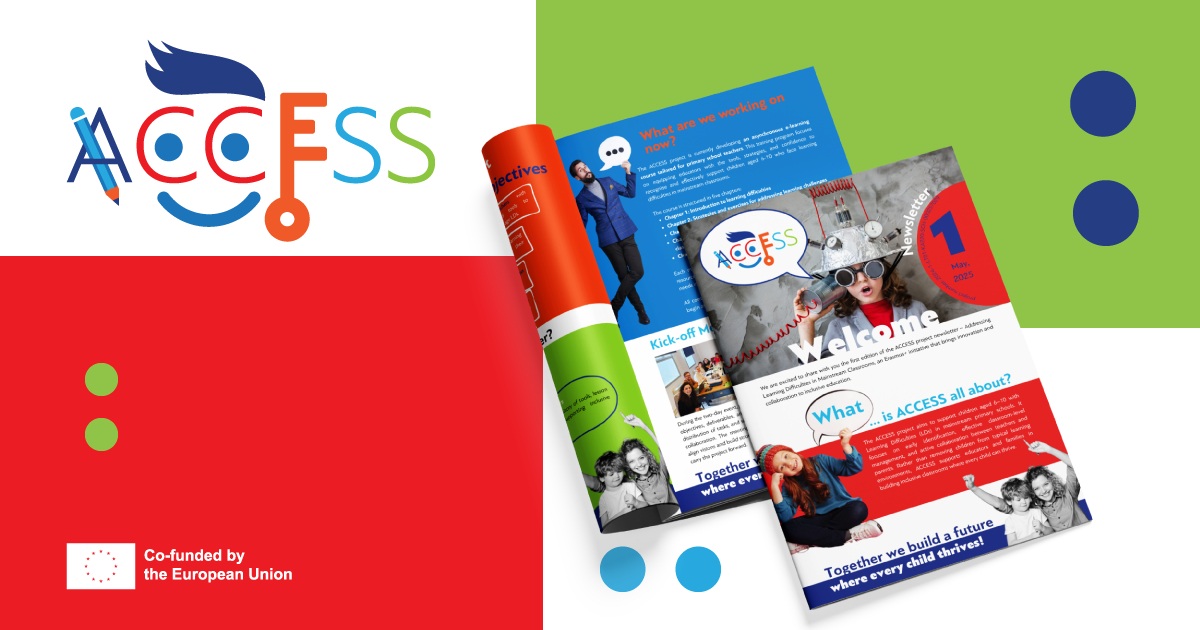
Online course for primary teachers (“ACCESS in learning difficulties”): designed to strengthen early detection and classroom intervention for pupils aged 6–10.
Digital library for teachers (“ACCESS in support”): a growing collection of adaptable strategies, materials and resources.
Toolbox for parents (“ACCESS in knowledge”): practical guides to support learning at home.
- Shared pedagogical framework
The project’s core principles were presented: early detection, adapted classroom support within mainstream schools, and close collaboration with families — all aimed at building inclusive environments and improving outcomes for pupils with learning difficulties (e.g. dyslexia, dysgraphia, dyscalculia)
How It Was Presented to the Staff
General overview: goals, partners, and project reference number were outlined, emphasising that ACCESS is EU-funded and transferable to various contexts.
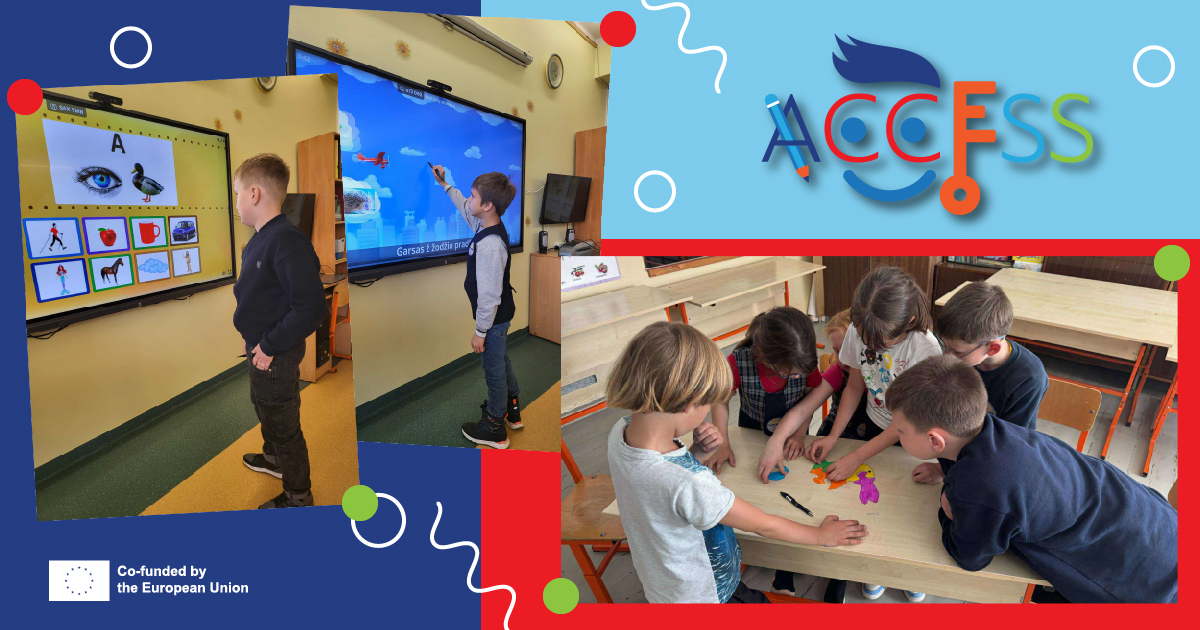
Digital course structure: modules, competencies and evidence-based tasks were explained, with examples of classroom activities that can be applied immediately.
Practical cases: early warning signs in the classroom; task scaffolding; use of visual supports; formative assessment; and family engagement.
Internal timeline: key milestones for implementation, peer-sharing sessions, and streamlined monitoring processes.
What Was Asked of All Teachers
- Complete the ACCESS digital course
All primary teachers will undertake the online course to establish a common foundation and align identification and intervention procedures. The course is modular and self-paced.
- Apply micro-changes in the classroom
After each module, teachers are encouraged to introduce small, concrete adaptations (e.g. reading/writing routines, scaffolding, use of visual aids, tiered tasks) and collect brief evidence of impact.
- Share and refine practices
Short sharing circles will be organised at cycle level to highlight effective approaches, agree on adjustments, and assess which resources from the digital library could be scaled up.
- Strengthen collaboration with families
The parent toolbox will be used during tutorials to provide guidance and suggest home-based activities aligned with classroom learning.
Next Steps in the School
Registration and access to the online course (details and deadlines will be provided).
Cycle-specific implementation plans with clear objectives and light monitoring tools (concise rubrics and concrete indicators).
Termly reviews to fine-tune support measures, scale up effective resources, and strengthen coordination with the guidance service and families.
Conclusion
ACCESS represents an opportunity to harmonise our educational model and provide better support for every pupil. With full staff engagement — and by completing the digital course — our classrooms will become more inclusive and effective learning spaces.